Legacy Corps for Health and Independent Living
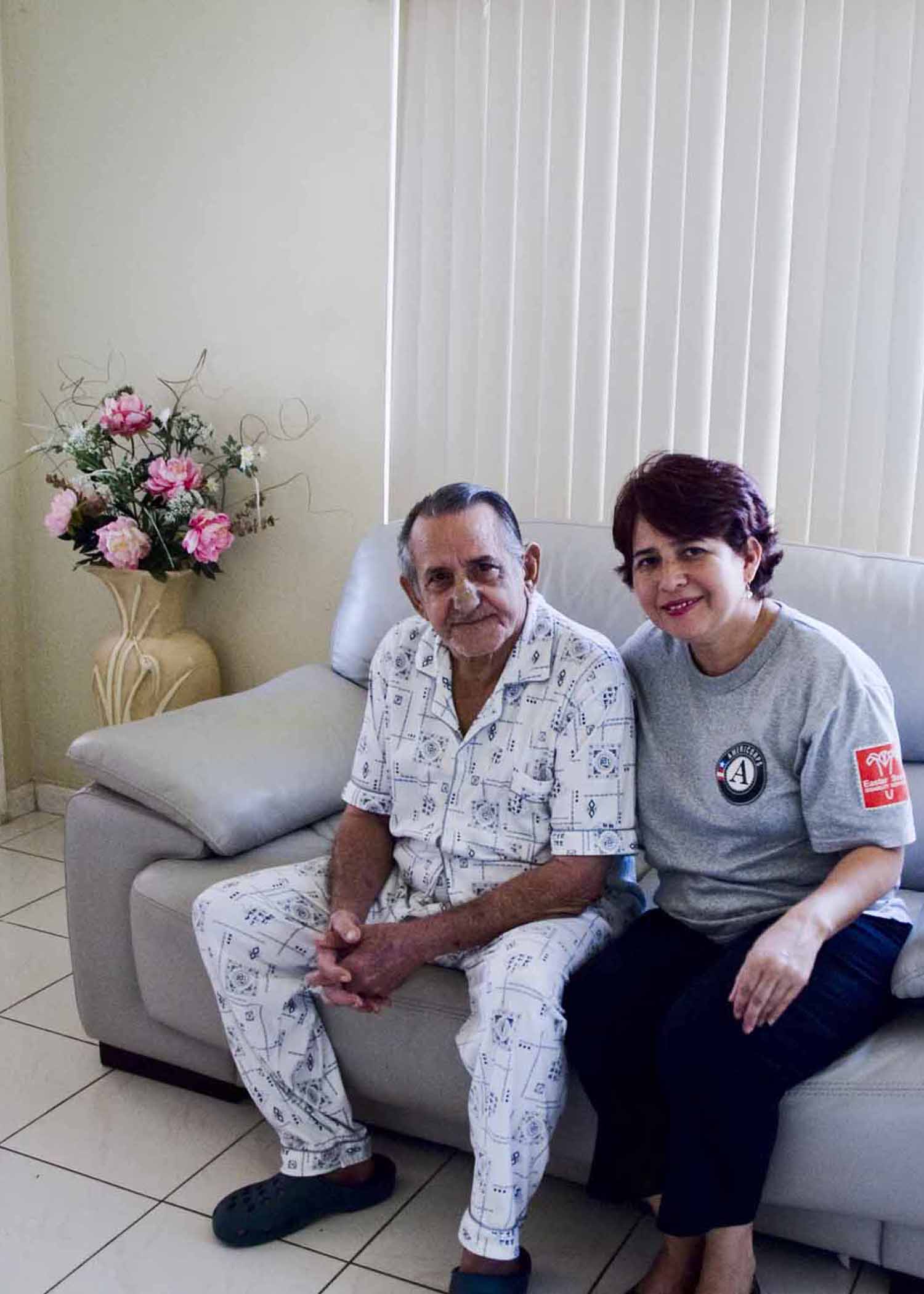
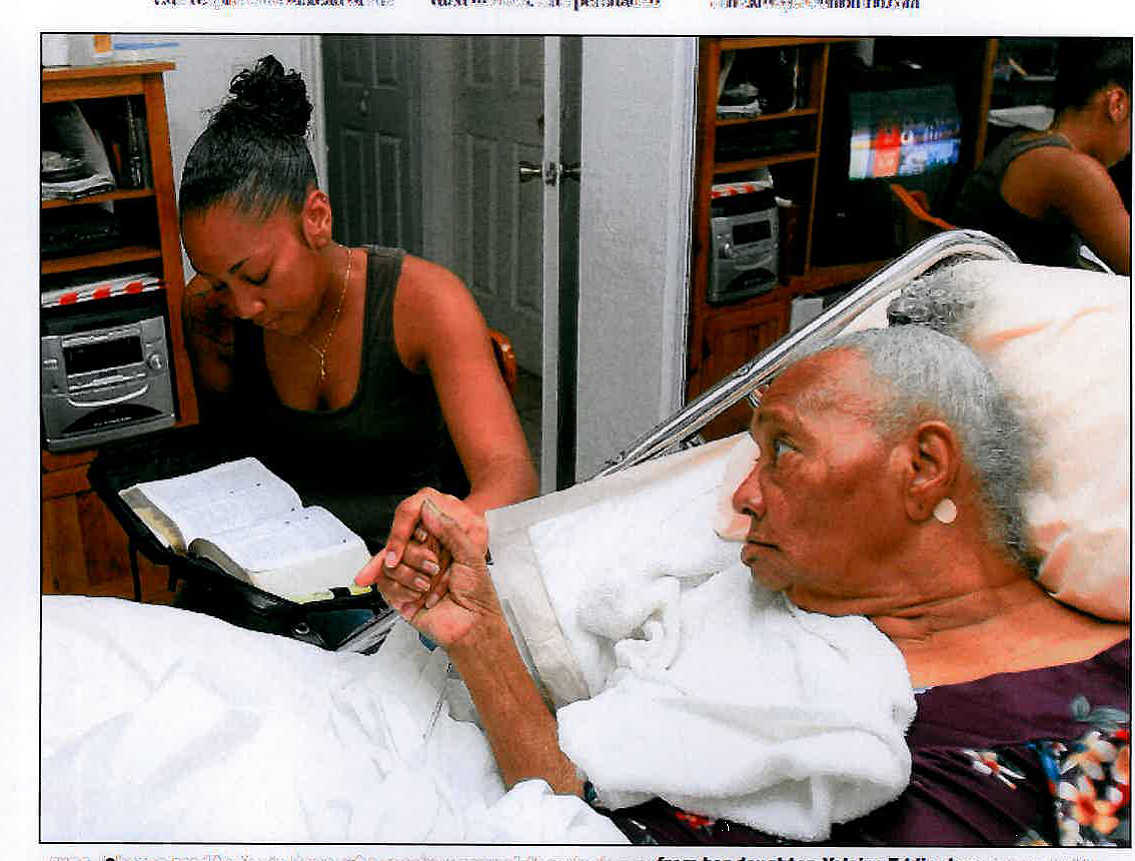
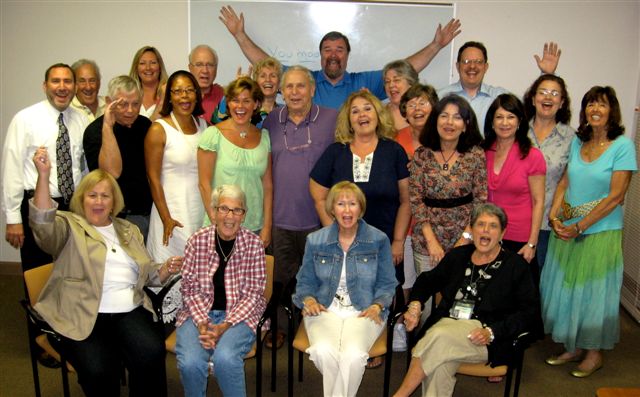
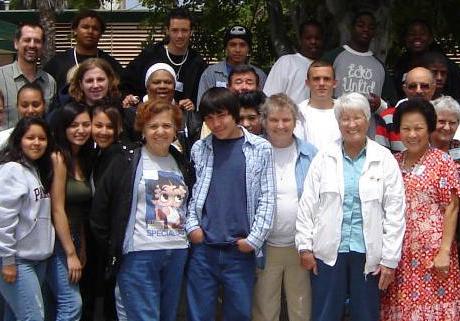
The Legacy Corps for Health and Independent Living is an evidence-based AmeriCorps program with 18 sites located in 9 states. The program was designed to assess effective methods for expanding AmeriCorps service opportunities to members over the age of fifty.
Legacy Corps members provide in-home respite care to frail elderly and others with long term care needs in disadvantaged communities using one of the following approaches: a) older adults serving individually in providing community-based service or b) multi-generational volunteer teams with one member over the age of fifty and one member age 16-49 serving together.
Legacy Corps respite service was designed to create a sustainable and effective means by which to link formal with informal care in disadvantaged communities. Legacy Corps sites include tribal /Native Americans, Latino/Spanish-speaking, immigrant, and rural communities. Legacy Corps has the following primary goals: (l) to meet, through volunteerism, the growing demand for services created by an aging population; (2) to expand access to services for low and moderate income elders and their caregivers in disadvantaged communities; (3) to provide meaningful volunteer roles for those over the age of fifty; (4) to provide the opportunity for both younger and older persons to serve side by side in their own communities, both enhancing services and providing for trans-generational learning and understanding among volunteers, caregivers, and frail elders; (5) to provide models for intensive and sustained community service by multi-generational service teams; (6) to strengthen the capacities of nonprofit and volunteer organizational infrastructures to respond to unmet need through highly structured service delivery using volunteers; (7) to provide new career pathways for both older and younger members in disadvantaged communities enabling them to move from volunteer service to paid work; and (8) to provide a continuous research-to-practice loop by ongoing assessment and integration of the findings into the service models.
In addition to our specialized emphasis on recruiting older volunteers as AmeriCorps members, our other unique contribution is a focus on assessing the long-term impact of this program. Our quasi-experimental, comparison group panel study includes 21 instruments developed to track changes in civic engagement, health status, caregiver health and satisfaction, and impact of multi-generational service. We do baseline, exit and long term follow-up on our key outcome variables. Findings from data collected over the past nine years include: a) both older and younger members report increased levels of commitment to their communities 3-5 years after the program with 94% continuing to be active volunteers; b) although both service by one older member and multi-generational service are very successful, the multi-generational team arrangement results in even higher scores of community attachment and long term involvement in civic activities; c) 88% of caregivers evaluate the program as excellent or very good; d) the percentage of caregivers who described burden and stress as their primary problem drops from 34% to 4% at follow-up; and e) 10. 4% of members have assumed full-time paid positions and 17.4% have assumed part-time paid positions upon exit with many of the positions in health-related fields.
0 comments