Experience Corps: An Intergenerational Triple Win
WINNER: Service Impact Award

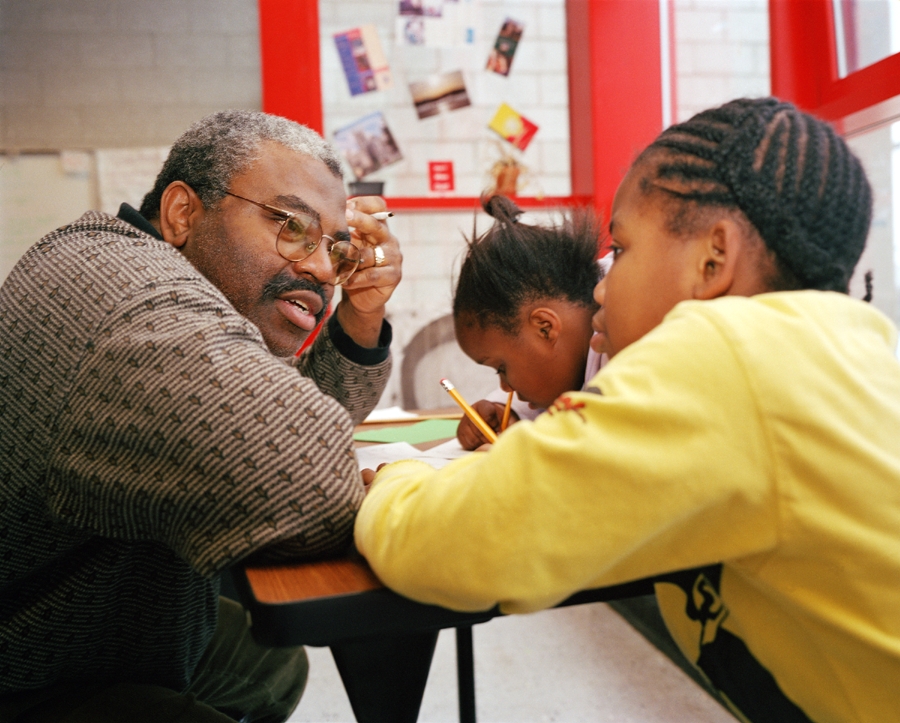

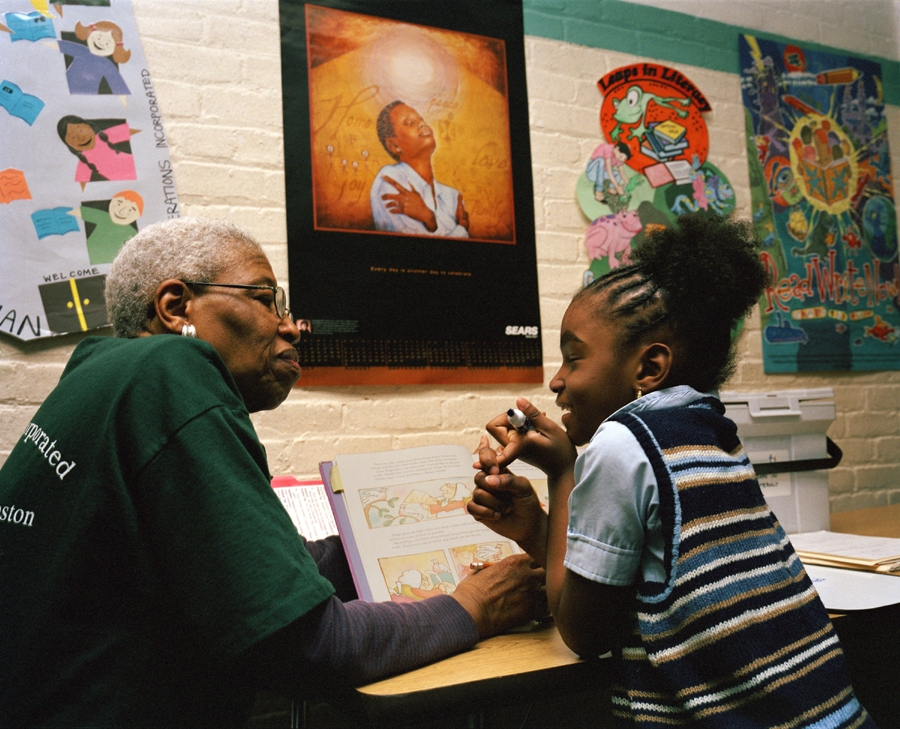
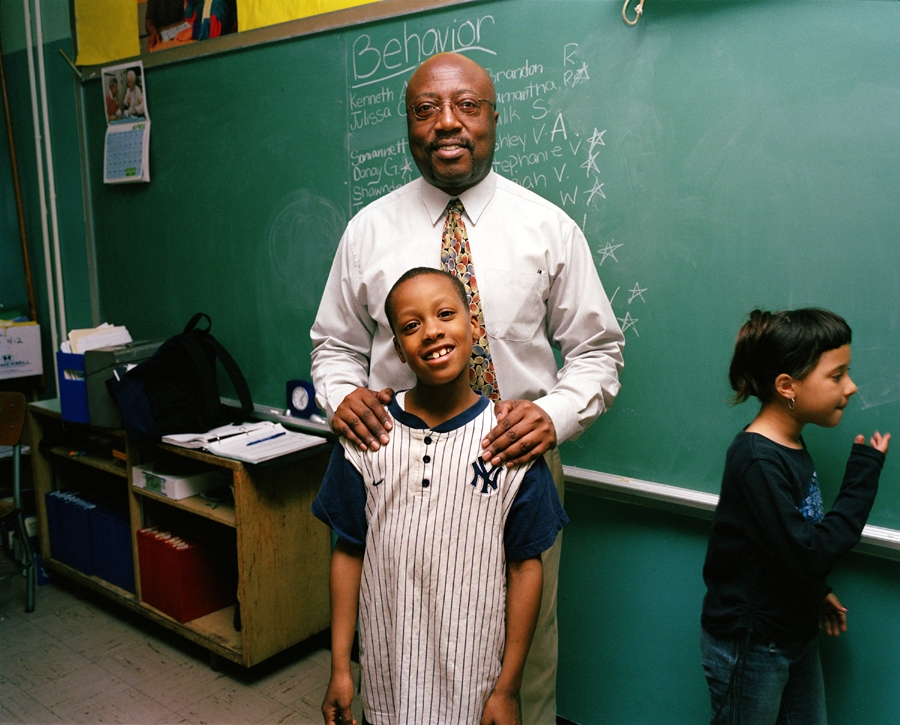
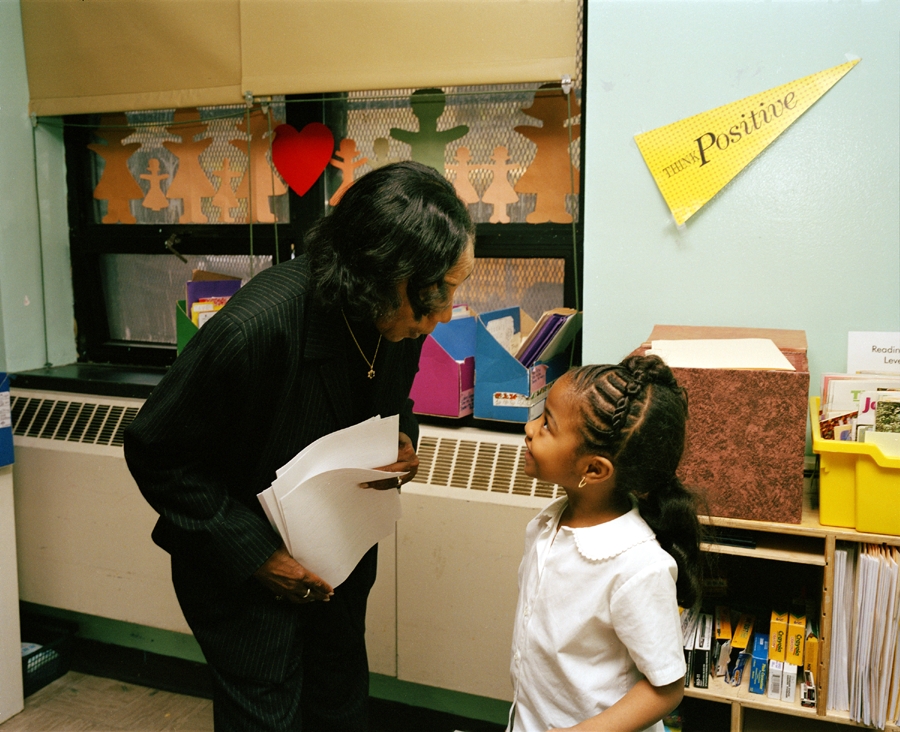
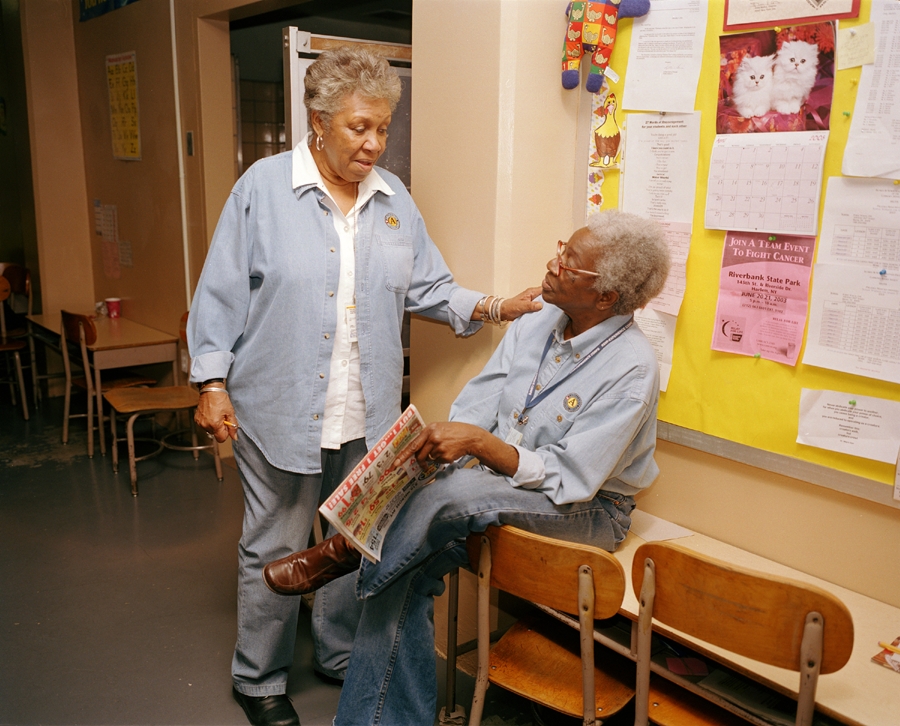
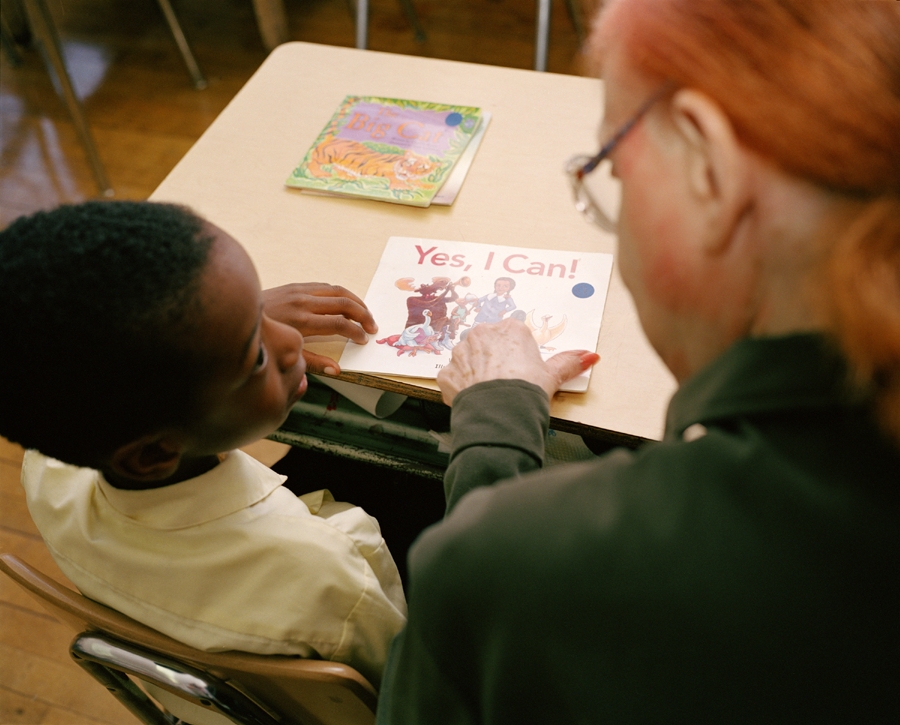
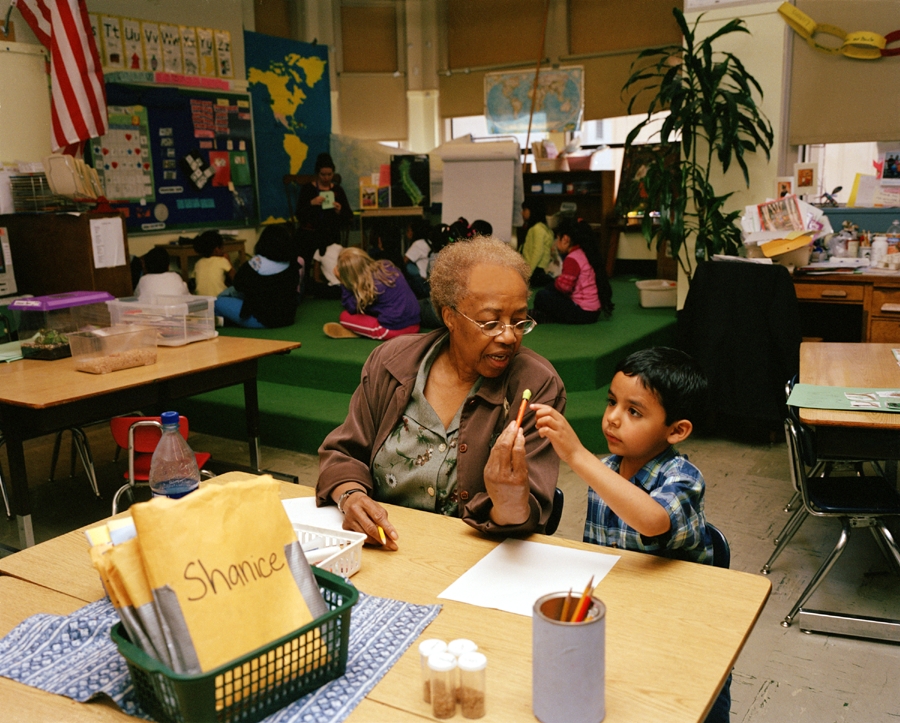

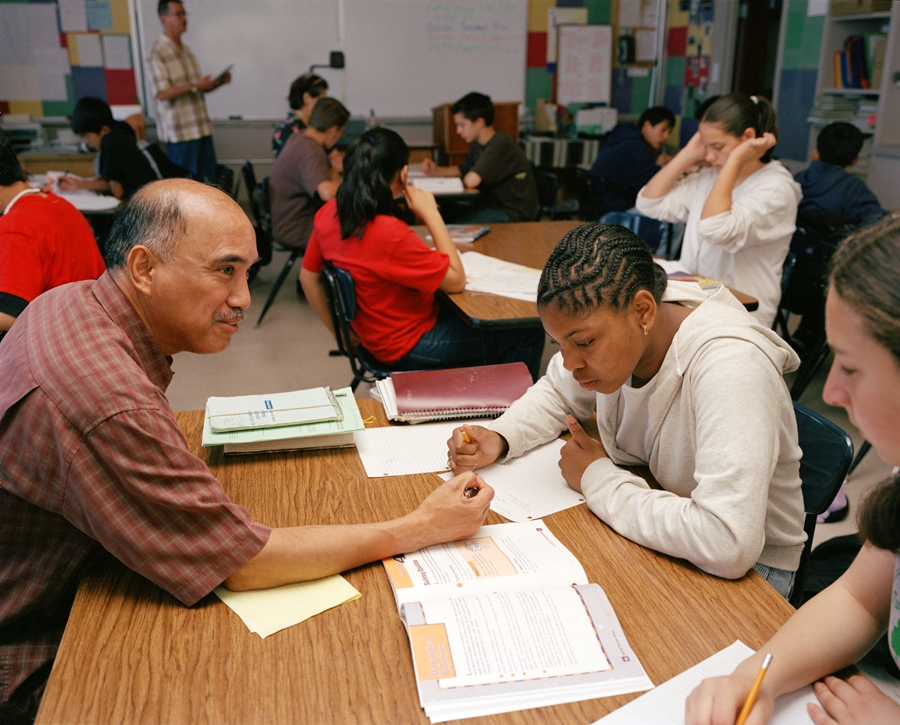
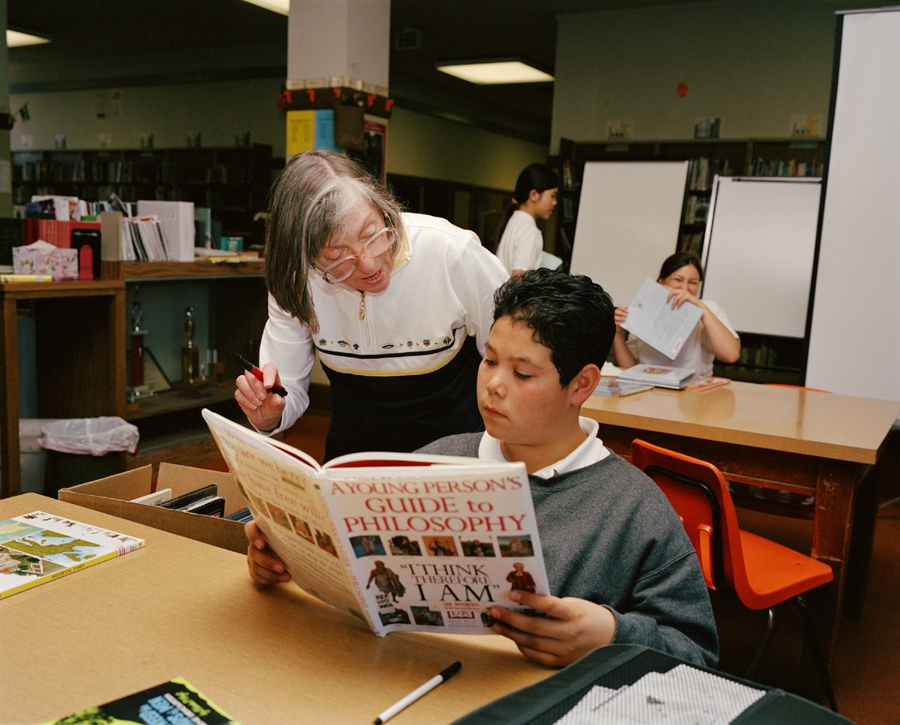
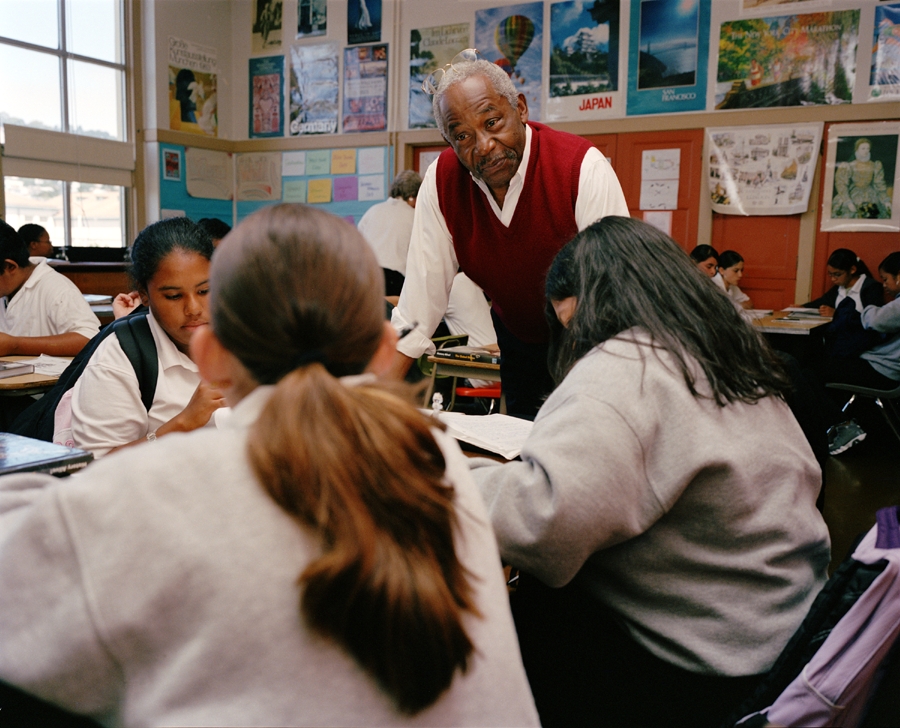


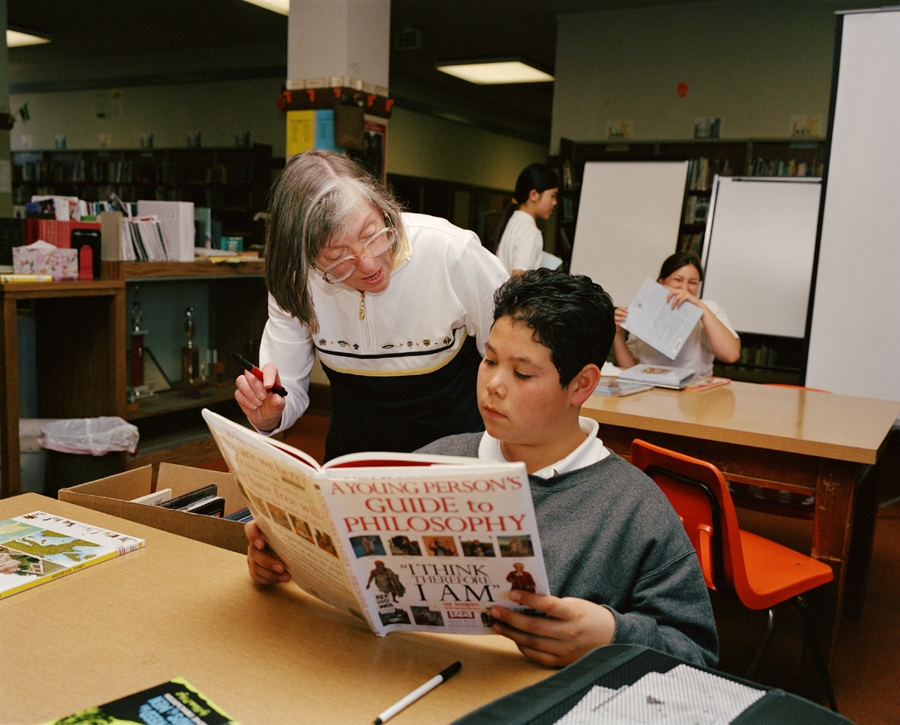
Imagine this: “Older adults in service to children are an integral part of the education strategy across America. Through this generational exchange, children succeed, older adults thrive and communities are made stronger.”
This is the vision of Experience Corps, an award-winning program, which specializes in creating intergenerational exchanges between older adults and underperforming children in grades K-3.
Experience Corps engages older adults to serve as academic mentors and tutors for school-aged children in 21 cities nationwide. Experience Corps seeks to improve the academic achievement of students by providing literacy instruction matched to their needs through one-to-one tutoring and classroom assistance.
Targeting urban schools that draw from low-income neighborhoods, the program has been proven to improve academic outcomes and address the achievement gap.
In the 2010 Annie E. Casey Foundation report, Early Warning! Why Reading by the End of Third Grade Matters, Experience Corps was one of only two programs recommended in the report’s resource guide. It cites Experience Corps as a results-driven initiative that targets lagging readers in underperforming schools.
Independent research by Washington University in St. Louis found:
- Students who work with an Experience Corps tutor for a single school year experience 60 percent greater gains in two critical literacy building blocks – sounding out new words and reading comprehension.
- Experience Corps works for all students, generating similarly significant results regardless of gender, ethnicity, grade, classroom behavior or English proficiency of the students.
Experience Corps creates a winning scenario for schools, students, and older adults. Nationwide, schools face a shortage of qualified teachers, ever expanding class sizes and an emphasis on teach-to-the-test education. Due in parts to these factors, many children are poorly prepared for success in an increasingly competitive world.
At the same time, baby boomers are retiring at the rate of eight thousand a day. They are a healthy and well-educated population, and there is mounting evidence that they want to be involved in improving the lives of children. Experience Corps taps into their expertise and passion to help fill the needs of schools.
For many of these volunteers, Experience Corps is a means as well as an end. A recent Washington University study showed that participation in Experience Corps “motivates and enables older adults to become more engaged in work and community activities. Program participation can raise awareness about public issues, like education, and activate older adults to be more civically involved.”
These findings are similar to those cited in the 2008 CNCS study, Still Serving: Measuring the 8-year impact of AmeriCorps on Alumni, which states that “AmeriCorps service spurs individuals to be agents of positive change in their communities after their service is complete.” Therefore, civil service among older adults can be viewed as a means as well as an end, just as it is for young people.
The Experience Corps intergenerational exchange model creates a triple win in communities for students, for schools, and for older adults.
0 comments