Serving Through Groundbreaking Research!
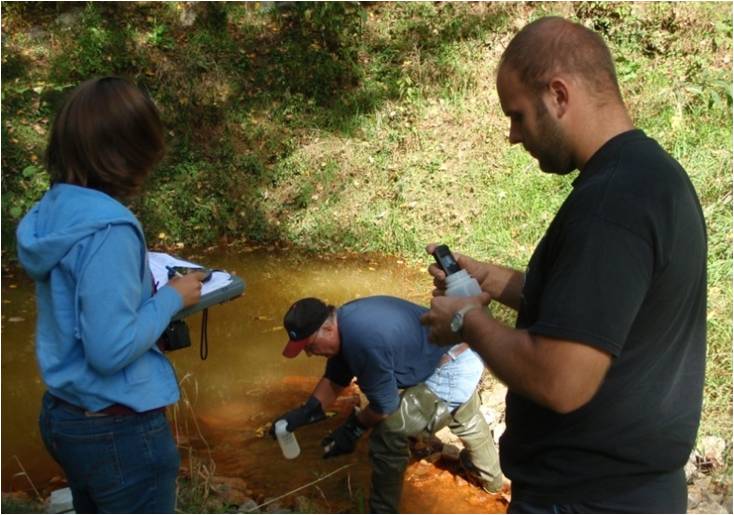
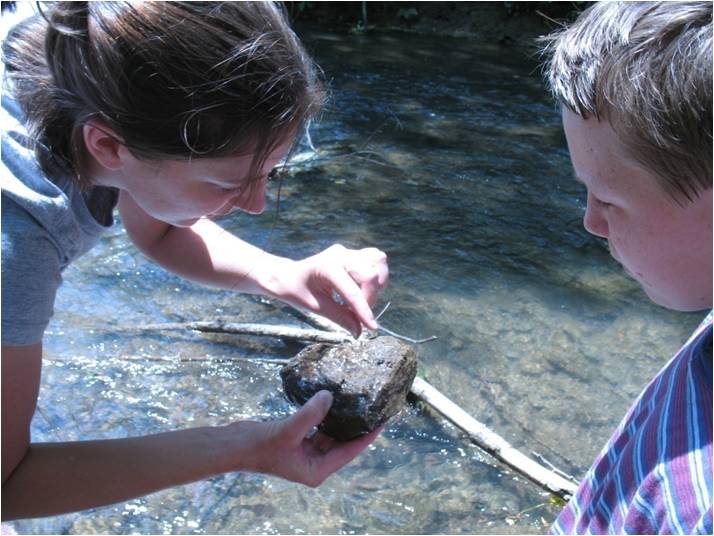
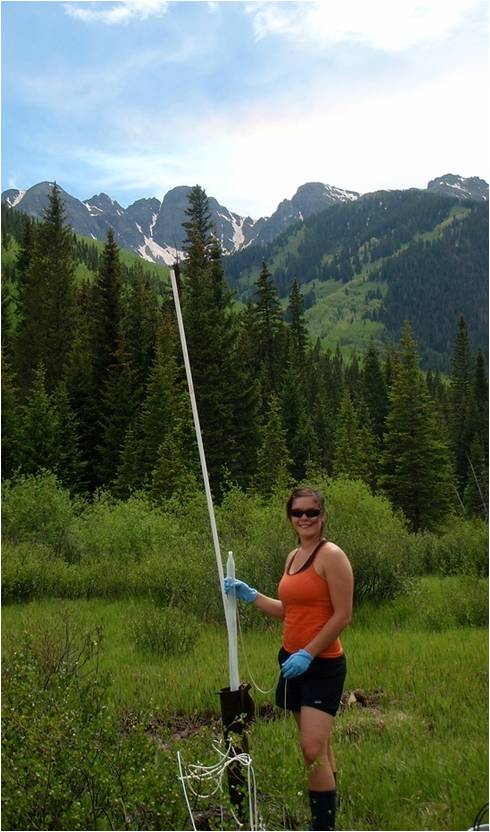
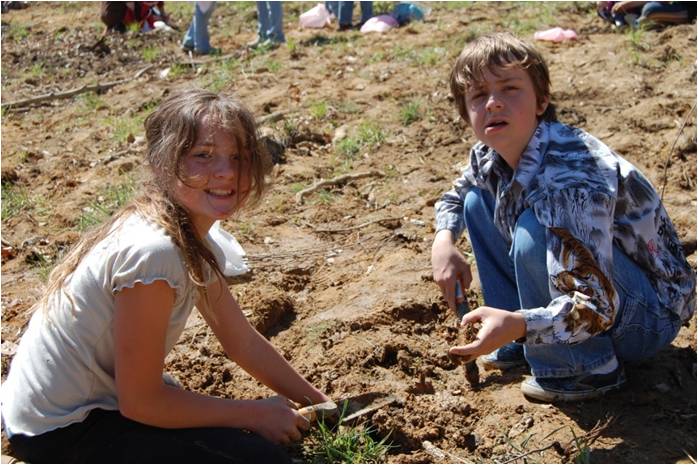
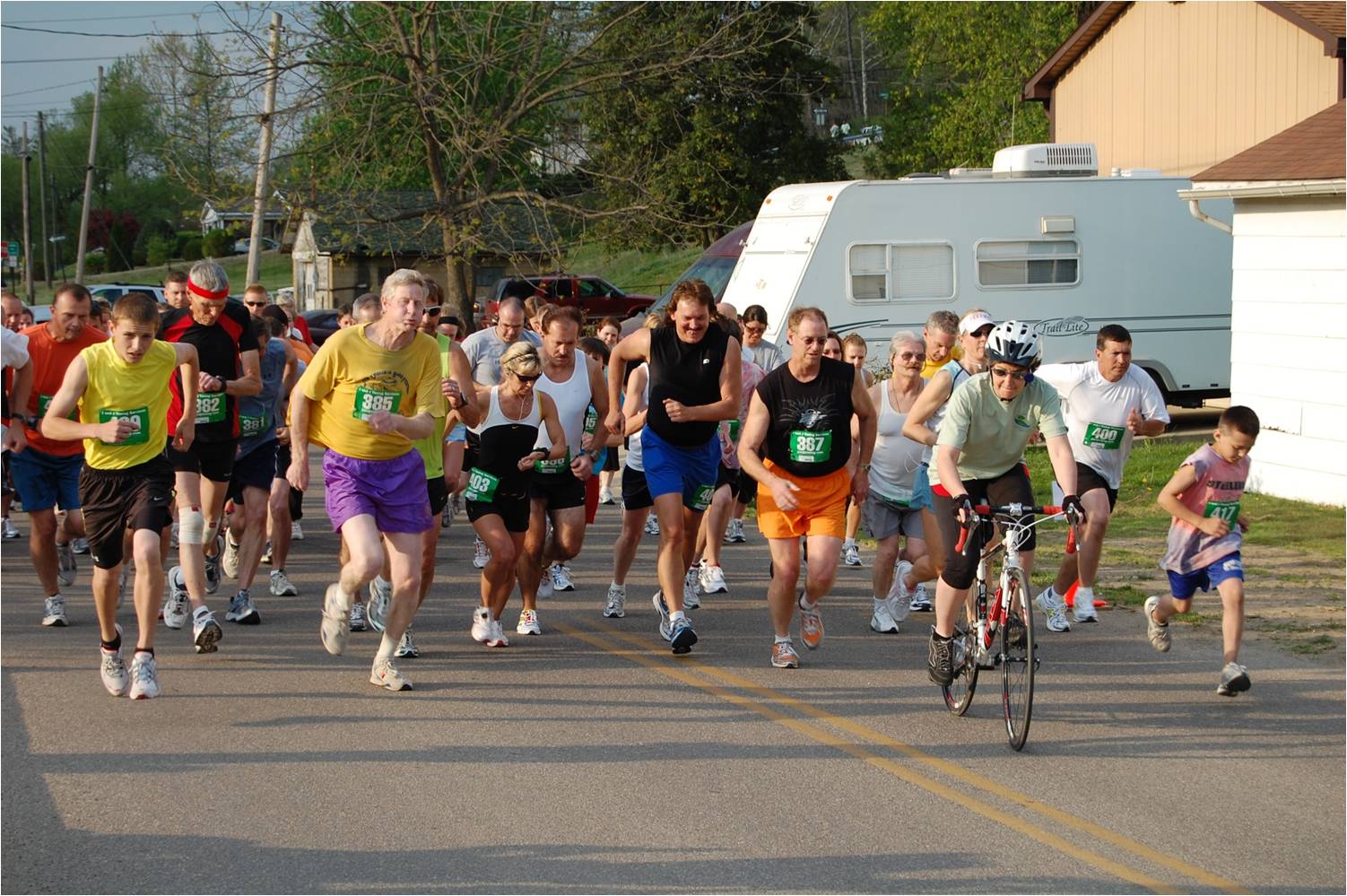
Volunteers are essential to rural watershed groups and their efforts to make their communities, currently impoverished by environmental degradation, healthier places to live and work. Recruiting and effectively supporting volunteers, however, is often a challenge for many groups in our nation’s most under-resourced and environmentally damaged communities. Thanks to an innovative research project being undertaken by the OSM/VISTA Teams, rural watershed groups are learning how to build a sense of community pride and ownership of local watersheds.
The “Volunteers for Rural Watersheds” Project is a three-year pilot research project focused on developing resources that promote and improve locally-devised practices to encourage mobilization and participation of rural volunteers. The study is the first of its kind to examine volunteerism in rural watershed improvement organizations throughout Appalachia, Colorado, and New Mexico.
The project was initiated and designed by Dr. T Allan Comp of the Department of Interior’s Office of Surface Mining, and funded through the Environmental Protection Agency. OSM/VISTAs Joseph Campbell and Jenna Fehr work with closely with 34 watershed organizations/community improvement organizations to study volunteer habits and motivations. The project seeks to arm these groups across the country with a better understanding what brings these volunteers out. The project also studies how local watershed groups can employ volunteer management practices to keep community residents engaged and volunteering. So far, the project has identified 25 strategies and practices that have successfully engaged rural volunteers.
This unique project is a great example of using national service to develop civic pride and community around our local environment.As OSM/VISTAs, Jenna Fehr and Joe Campbell have used an opportunity to serve their country through important research about rural volunteerism. Although the project is concluding its third and final year, rural watershed groups will continue to benefit from this project. The research will arm these rural watershed groups with tools necessary to engage their community in the vital work needed to restore community watersheds. The project will also provide the groundwork for future research through its compilation of important data about the demographics, beliefs, and behaviors of rural watershed volunteers.
0 comments